

Pet Vaccinations are more than just routine measures; they form the foundation of your pet’s long-term well-being.
Pet Vaccinations
Schedule Your Visit
Ask Questions

Legal Requirements
In the UAE, vaccinations are mandatory for all cats and dogs. To stay compliant with these regulations and avoid any legal issues, make sure your pet’s vaccinations are up to date. Ensuring your pet is vaccinated helps you comply with local regulations, Dubai Municipality rules and regulations, and avoid potential fines or legal issues.
Why vaccination is crucial for pets?
Ensuring that your cat or dog is vaccinated is one of the most vital steps you can take to keep them healthy. Vaccinations are more than just routine measures; they form the foundation of your pet’s long-term well-being. By stimulating your pet’s immune system, vaccines help them recognize and combat specific viruses and bacteria before any illness can develop. This proactive approach significantly reduces the risk of your pet contracting, suffering from, or even succumbing to various diseases.
Many pet diseases are zoonotic, meaning they can be transmitted from animals to humans. Vaccinating your pet is the most effective way to safeguard both your family and the broader community from diseases like rabies and leptospirosis. Also, most boarding facilities and daycare centers require proof of current vaccinations to prevent disease outbreaks while your pet is away from home.
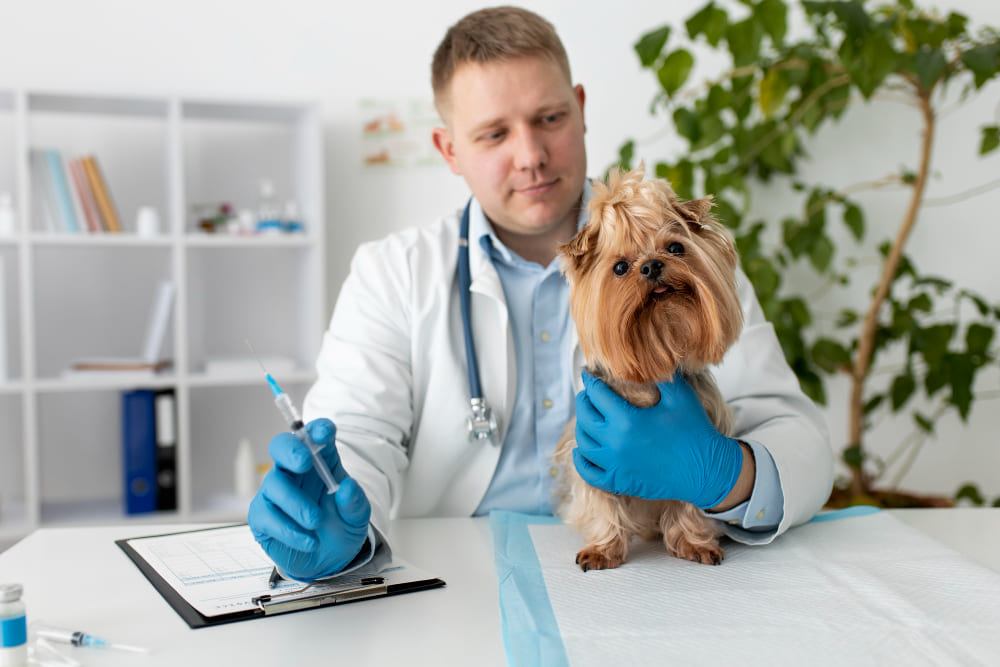
All Kind of Pet Vaccinations
Vaccination is a crucial part of your pet’s preventive healthcare. However, not every vaccine is necessary for every animal. Vaccines are generally divided into core and non-core categories based on how widespread, contagious, and life-threatening the diseases are. Understanding this distinction helps ensure your pet receives the right protection according to their lifestyle, environment, and overall health.
Core Vaccines
Core vaccines are recommended for all dogs and cats because they protect against serious, highly contagious diseases that are often fatal. These vaccines are considered a basic standard of veterinary care.
Core Vaccines for Cats
Rabies (Rabies vaccination is recommended for all cats, regardless of whether they live indoors or outdoors.)
FVRCP Combination Vaccine
Protects against Feline Viral Rhinotracheitis, Calicivirus,
and Panleukopenia (FPV).
These viral infections spread easily among cats and can be severe or fatal, especially in kittens.
Core vaccines are recommended for all kinds of cats because they protect against serious, highly contagious diseases that are often fatal. These vaccines are considered a basic standard of veterinary care.
Core Vaccines for Dogs
Rabies (Protects against rabies, a fatal viral disease that can be transmitted to humans through bites from infected animals. Rabies vaccination is legally required in many countries, including the UAE.)
Canine Distemper (A highly contagious viral disease affecting the respiratory, gastrointestinal, and nervous systems. It is especially dangerous in puppies and can be fatal.)
Canine Parvovirus (A severe and highly contagious viral disease that causes intense vomiting, diarrhea, dehydration, and often death if untreated. Puppies are particularly vulnerable.)
Canine Adenovirus (Types 1 & 2)
Protects against infectious canine hepatitis (type 1) and contributes to protection against respiratory disease (type 2).
Non-Core Vaccines
Non-core vaccines are recommended based on your pet’s individual risk factors, such as exposure to other animals, outdoor access, travel, or boarding. Not every pet needs these vaccines, but they can be essential in certain situations.
Non-Core Vaccines for Cats
Feline Leukemia Virus (FeLV)
Strongly recommended for outdoor cats or cats living with other cats. FeLV suppresses the immune system and can be life-threatening
Non-Core Vaccines for Dogs
Leptospirosis
A bacterial disease spreads through contaminated water or soil and is transmissible to humans. Dogs with outdoor exposure are at higher risk.
Bordetella bronchiseptica
One of the main causes of kennel cough. Recommended for dogs that are boarded, attend daycare, grooming facilities, or are frequently in contact with other dogs.
Canine Influenza
Helps protect against dog flu, particularly important in crowded or high-risk environments.
Lyme Disease
Recommended for dogs exposed to ticks, especially in grassy or wooded areas.
The Vaccination Process at Northfield Veterinary Center
Before administering any vaccine, your pet receives a thorough physical examination. This allows our veterinarians to confirm that your pet is healthy enough for vaccination and to identify any underlying conditions that may influence vaccine safety or effectiveness.
Our veterinary team recommends core and non-core vaccines based on your pet’s age, medical history, lifestyle, and risk of exposure.
For puppies and kittens, the vaccination series typically begins at around 8 weeks of age, with booster doses administered every 3–4 weeks until approximately 16 weeks of age. Adult pets receive regular booster vaccinations to maintain long-term immunity and protection.
At Northfield Veterinary Center, we prioritize your pet’s comfort and emotional well-being. Our clinics are designed to reduce stress, and vaccines are administered by experienced professionals using gentle handling, minimal restraint, and positive reinforcement. After vaccination, we closely observe your pet for any immediate reactions and provide clear aftercare instructions for home monitoring.
To ensure your pet never misses an important booster, Northfield Veterinary Center maintains accurate vaccination records and provides timely reminders when upcoming vaccinations are due. This helps keep your pet consistently protected throughout their life.
Need more info? Check out our most frequently asked questions.
Do I Have to Vaccinate My Pet?
Vaccines shield your pet from numerous dangerous diseases and prevent them from life-threatening illnesses. Core vaccines protect against illnesses such as:
- Rabies: A fatal virus that affects the nervous system and can be transmitted to humans. Once symptoms appear, rabies is always fatal, making rabies
vaccination essential. - Distemper: Canine distemper is a contagious viral disease that impacts the respiratory, gastrointestinal, and nervous systems of dogs.
- Parvovirus: This highly contagious viral infection causes severe vomiting, diarrhea, and dehydration, and can be fatal, particularly in puppies.
- Feline Leukemia Virus (FeLV): Transmitted through contact with infected cats, FeLV weakens the immune system and makes cats more susceptible to infections and cancers.
What is the Benefits of Pet Vaccination?
- Lifelong Protection: Vaccines train your pet’s immune system to defend against some of the most common and life-threatening diseases.
- Reduced Disease Severity: Vaccinated pets who do become infected typically experience milder symptoms and recover more quickly.
- Community Health: Widespread vaccination helps reduce the spread of contagious diseases among animals and humans.
- Cost Savings: Preventive care is far more economical than treating advanced illness or managing disease outbreaks.
- Peace of Mind: Knowing your pet is protected allows you to feel confident about boarding, grooming, travel, and social interactions.
When Vaccination Should Be Delayed or Avoided?
Although vaccines are safe for most pets, vaccination may need to be postponed or adjusted in certain situations:
- Pregnancy: Vaccinating pregnant animals may pose risks to the developing fetus.
- Illness: Pets with fever, active infections, or serious chronic disease may require delayed vaccination.
- Recent Immunization or Immunosuppression: Pets recently vaccinated or receiving immunosuppressive medications may need veterinary clearance before additional vaccines.
- Underweight or Overweight Pets: These pets should be assessed individually to ensure safe dosing and administration.
- Specific Medical Conditions: Cats with active upper respiratory infections should not receive the rabies vaccine until fully recovered.
Our veterinarians at Northfield Veterinary Center carefully evaluate your pet’s health at every visit before recommending or administering any vaccine.
Book your pet’s vaccination appointment today and give them the gift of lifelong health, safety, and peace of mind.
Do Vaccinated Pets Live Longer?
Vaccines play a crucial role in preventing illness and minimizing the risk of disease outbreaks within the community. Incorporating vaccinations into your pet’s regular wellness routine contributes to a longer and healthier life.
By enhancing the immune system before exposure to diseases, pet vaccinations enable the body to respond more effectively to potential threats. Vaccinated pets are significantly less likely to suffer complications from serious illnesses such as rabies or parvovirus, which can be fatal without preventive measures. Regular booster shots help maintain a strong immune response as your pet ages. With consistent care from a veterinarian in your area, your pet can avoid many common illnesses altogether.