

Northfield Veterinary Diagnostic Imaging
At Northfield Veterinary Diagnostic Imaging, our goal is to diagnose both common and complex medical conditions affecting your furry companions. We operate 24/7, ensuring continuous access to diagnostic imaging services, particularly for urgent and emergency cases.
Mission of Veterinary Diagnostic Imaging
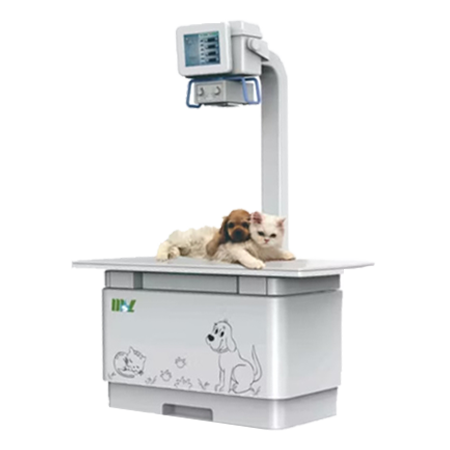
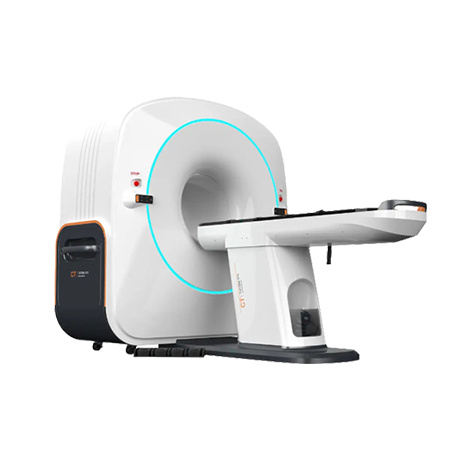
The diagnostic imaging department at Northfield Veterinary Center is equipped with the newest and most comprehensive diagnostic capabilities, including digital radiography, color doppler ultrasound, and contrast ultrasound, all specifically designed for small animals.
Diagnostic imaging plays a crucial role in diagnosing and managing many common issues in veterinary medicine. However, it’s important to note that imaging is not always 100% accurate. Therefore, along with advanced diagnostic equipment, a clinician’s expertise and the patient’s clinical symptoms are essential for effective treatment. Northfield brings all of this together to ensure your confidence in the quality of service you receive.
Veterinary Diagnostic Imaging Services
Northfield Veterinary Diagnostic Imaging Services offers the newest and most comprehensive diagnostic capabilities. With the support of our diagnostic imaging team, we utilize advanced equipment to diagnose and treat a wide range of diseases, drawing on our extensive experience and expertise.
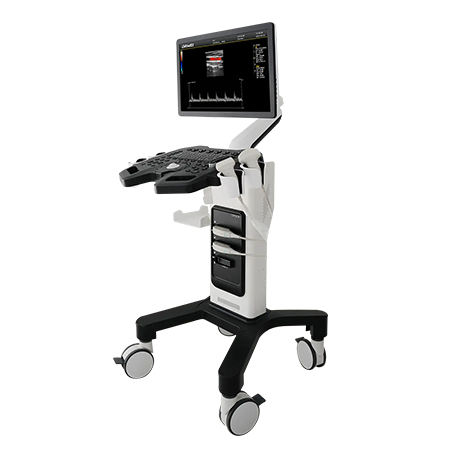
Color Doppler Ultrasound
The color in reports shows the speed and direction of the flow of blood in real-time. A normal ultrasound uses sound waves to build images of body structure, but it doesn’t show the flow of blood. A color doppler uses high-frequency sound waves.
Pet Digital Radiography
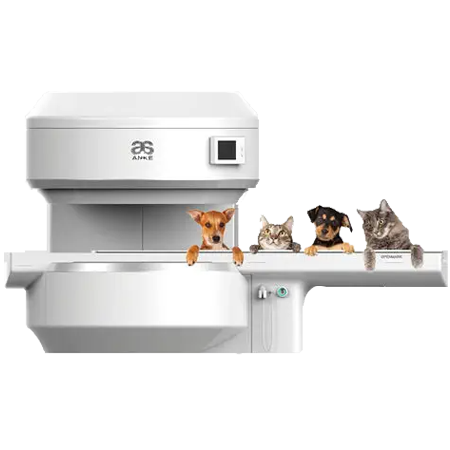
Pet Digital Radiography is an imaging technique that uses advanced technology, like X-Ray and MRI machines, to capture images of the body’s internal parts. Radiographers, or radiologic technologists, specialize in this field.
Contrast Ultrasound
A Pet Contrast Ultrasound is a diagnostic tool that uses high-frequency sound waves to create real-time images of your pet’s internal organs, such as the liver, kidneys, heart, and bladder, allowing veterinarians to examine soft tissues without surgery.