Northfield Internal Medicine Clinic
Our goal at Northfield Veterinary Internal Medicine Clinic is to increase the quality of life for pets. Pet Internal Medicine Clinic provides a vital aspect of veterinary care that focuses on diagnosing and treating complex medical conditions affecting your furry companions.
Mission of Veterinary Internal Medicine Clinic
Northfield Pet Internal Medicine Clinic provides comprehensive, non-surgical medical care for dogs and cats with complex, chronic, or undiagnosed illnesses. We deliver accurate diagnoses, evidence-based treatment, and long-term management to improve quality of life. Our team works closely with other specialties—radiology, pathology, surgery, oncology, cardiology, and critical care—to create a coordinated, patient-centered plan tailored to each animal and family.
If you require online visit services for non-emergency cases, you can use the appointment form to schedule one. Alternatively, you can visit the hospital in person for an examination by an animal internal medicine doctor.
Play Video
When pet should go to pet internal medicine clinic?
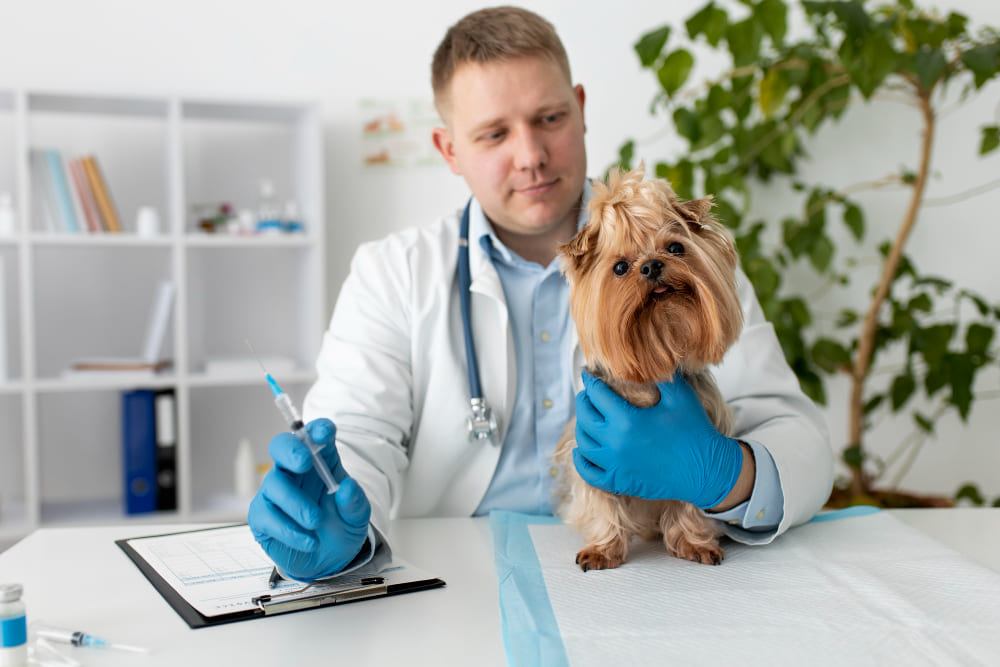
Organ-system focused care:
- Endoscopy (gastrodeudenoscopy, bronchoscopy, urogenital endoscopy, otoscopy)
- Gastroenterology and nutrition management
- Hepatology and biliary disease
- Renal and urologic disorders
- Endocrinology (diabetes, thyroid, adrenal disease, metabolic conditions)
- Infectious diseases and immune-mediated disorders
- Hematology and related conditions
Common diseases treated at the Northfield Pet Internal Medicine Clinic
Anemia and other bleeding disorders
Diabetic Management
Gastrointestinal Issues
Respiratory Disease
Addison’s Disease
Cushing’s Disease
Heart Disease
Kidney Disease
Liver Disease
Pancreatitis
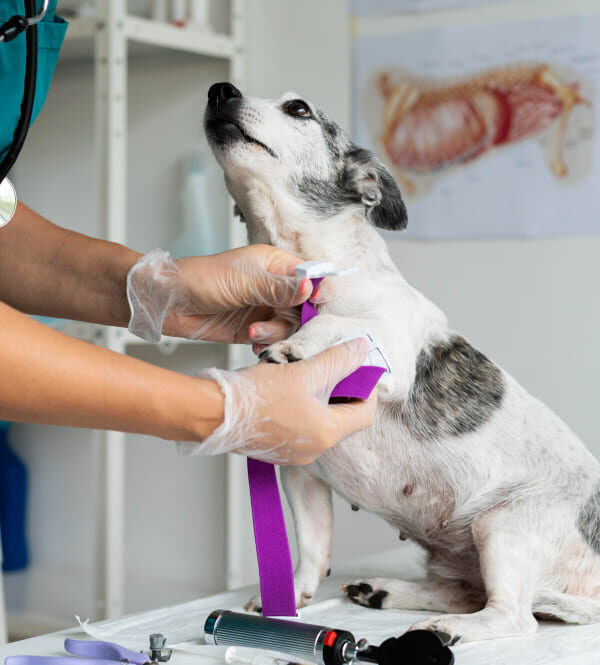
Pet Internal Medicine Services
Northfield offers specialized care for your pets in Dubai and provides accurate diagnosis, allowing for targeted and effective treatment plans. The best Animal Internal Medicine Doctors (AIM) at Northfield Center present exceptional pet services in Dubai.

Endoscopy
Colonoscopy
Rhinoscopy
Bronchoscopy
Endocrinology
Gastroenterology
Hematology
Urology
If you want your pets to be treated with the latest Veterinary Internal Medicine methods and technologies, Northfield may be the best choice.
We are not just another clinic; we bring innovation and new methods to Dubai.
Routine Exams in Veterinary Internal Medicine Clinic
1
Physical examination of overall health.
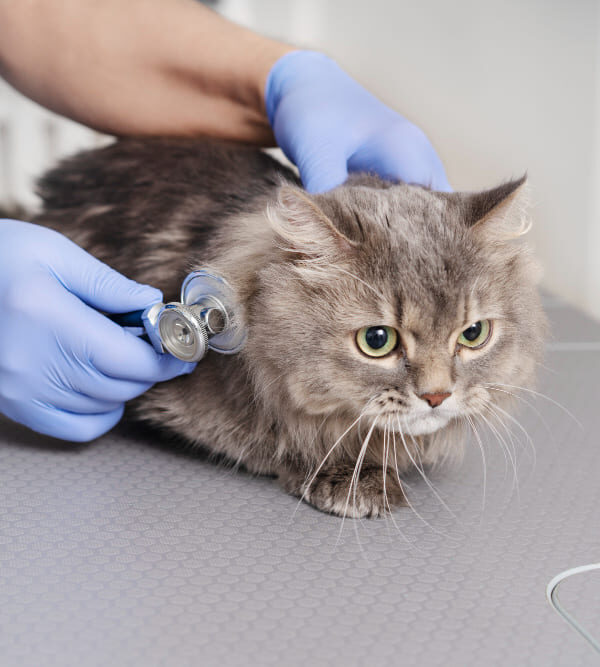
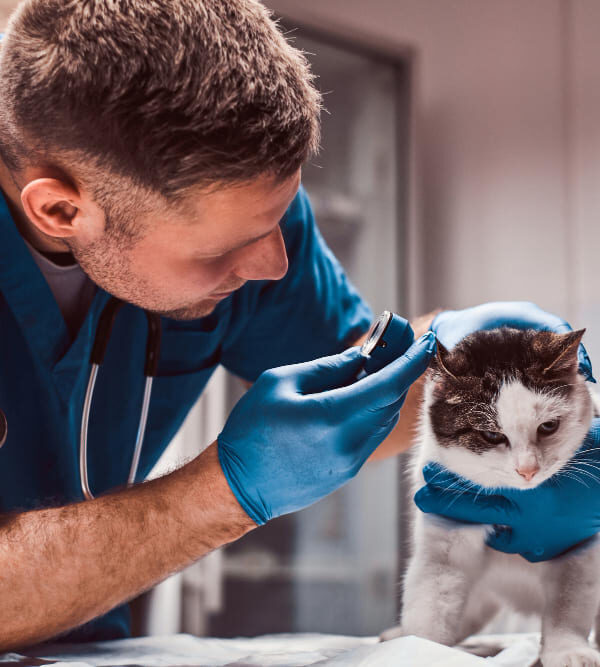
Physical examination of the animal’s ears and eyes, as well as internal organs, and checking for parasites, fungus, and fleas.
2
Taking a patient history.
Collecting a patient history involves assessing your pet’s breathing, eating, activity levels, sleeping patterns, and digestion.
3
Blood tests and weight and blood pressure checks.
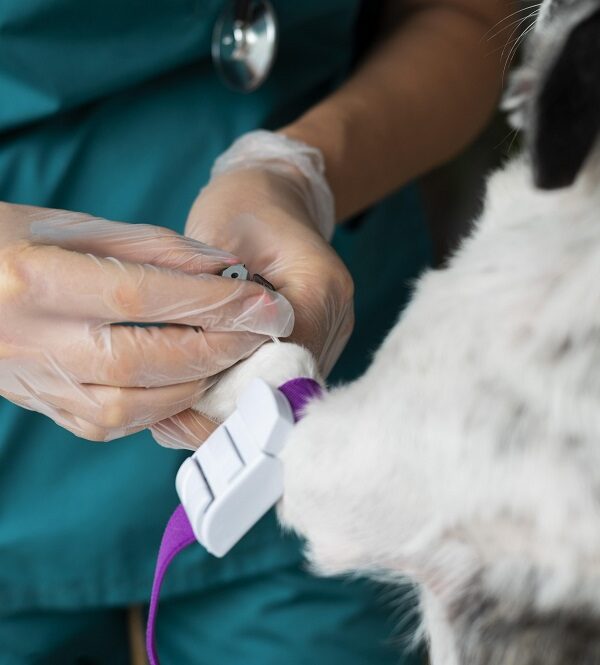
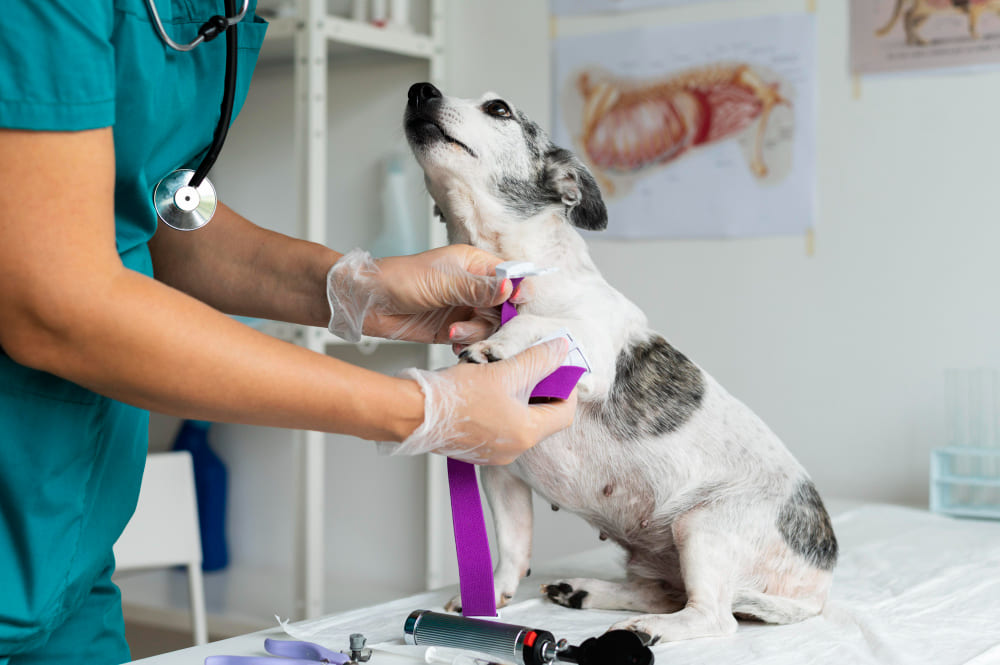
Blood tests, weight checks, and blood pressure measurements, if necessary, help us detect underlying health issues in your pet.